The company is transitioning from traditional fixed maintenance schedules to data-driven maintenance models. By monitoring and analyzing the condition of equipment in real time, maintenance work can be conducted more purposefully. This shift not only improves efficiency and the reliability of equipment but also ensures that tasks are performed at the right moment when truly needed, rather than solely relying on calendar schedules.
What is an automation module?
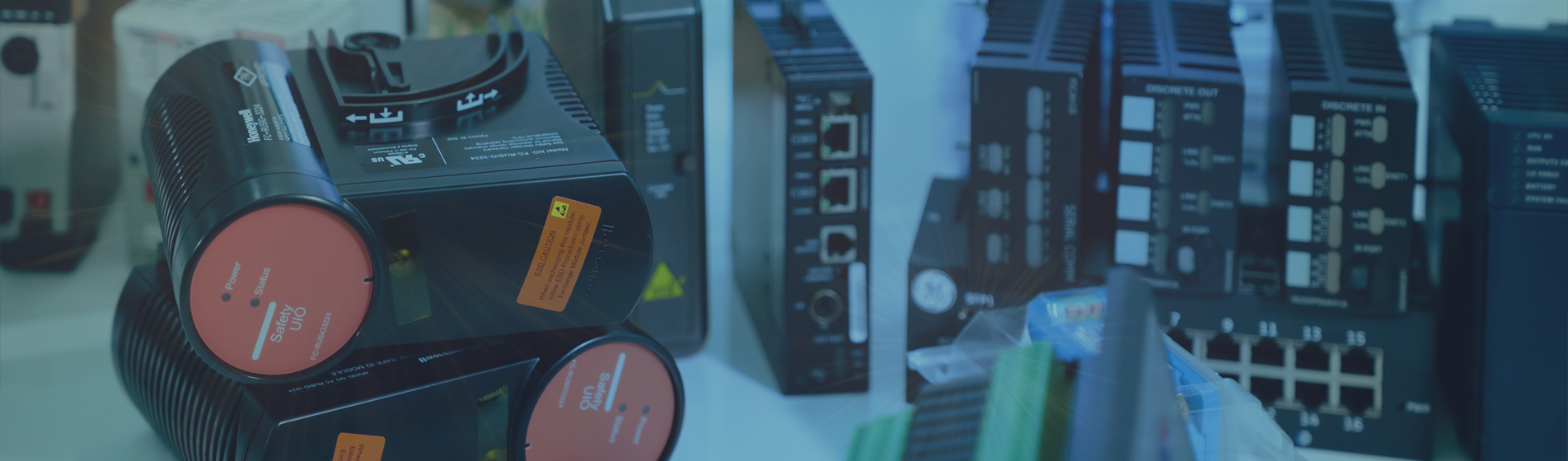
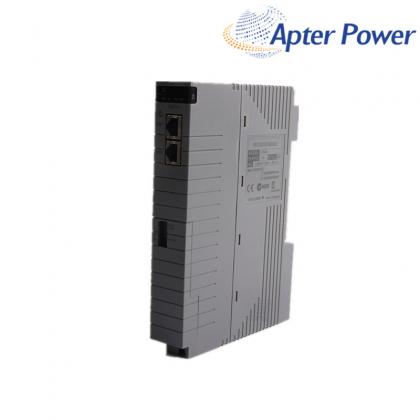
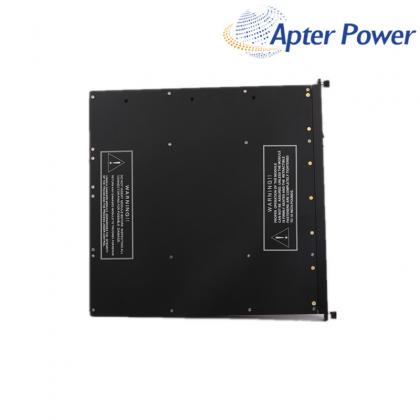
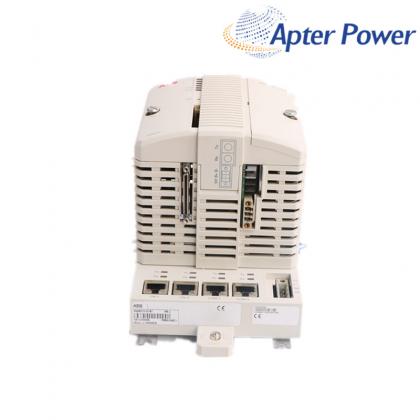
An automation module is a functional unit in industrial automation systems, typically including input/output modules, communication modules, drive modules, and control modules. They serve as core control components for data acquisition, logical operations, and driving executors, ensuring precise control and efficient operation of production processes.
What is the relationship between industrial robots and automation modules?
Industrial robots are the main entities that perform mechanical actions, while automation modules provide the "brain" and "nervous system" for them. The modules are responsible for data acquisition, signal processing, motion control, and communication coordination, allowing robots to accurately perform tasks such as welding, handling, assembly, and inspection.
What are the common types of automation modules?
I/O modules: Collect sensor data or control actuators.Communication modules: Support industrial buses such as Ethernet/IP, PROFIBUS, Modbus, etc.Drive modules: Provide power control for motors or servo systems.Control modules: Implement logic, algorithms, and motion planning.
What are the advantages of automation modules in industrial robot systems?
High precision control: Achieve micrometer level movements and repeatability.Strong scalability: Allows for expansion of more functions as needed.Ease of maintenance: Modular design reduces maintenance costs.High compatibility: Supports integration with robots from different brands.
What industries are automation modules suitable for?
The combination of automation modules and industrial robots is widely used in automotive manufacturing, electronic assembly, food packaging, medical equipment, chemical production, warehousing and logistics, etc., providing enterprises with intelligent production solutions.
What factors should be considered when selecting an automation module?
Compatibility with existing robots or control systemsCommunication protocols and interface typesExecution speed and precisionReliability and safety certificationTechnical support and supply capability of the manufacturer
What should be noted when installing and debugging automation modules?
Ensure correct electrical and communication connectionsRefer to the installation guide provided by the manufacturer for configurationUse appropriate environmental conditions (temperature, humidity, dust, and shock protection)Conduct thorough safety checks before debuggingRegularly back up programs and data
How can enterprises start integrating automation modules with robots?
First, assess the existing production process and automation needs, then select suitable modules and robot brands. It is recommended to collaborate with professional system integrators from solution design, equipment selection to installation and debugging, ensuring stable operation of the system.

तकनीकी समर्थन
32D floor,Guomao building,Hubin South Road,Siming District,Xiamen,Fujian,China.


Apter Power sells new and surplus products and develops channels for purchasing such products. This website has not been approved or recognized by any of the listed manufacturers or trademarks.
Apter Power is not an authorized distributor, dealer, or representative of the products displayed on this website. All product names, trademarks, brands, and logos used on this website are the property of their respective owners. The description, explanation, or sale of products with these names, trademarks, brands, and logos is for identification purposes only and is not intended to indicate any association with or authorization from any rights holder.